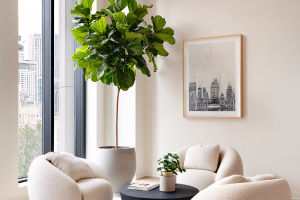
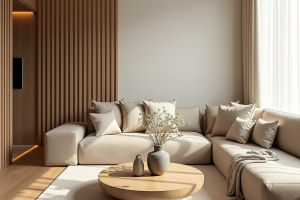
Stepping into a living room bathed in soft creams, gentle taupes, and muted grays can instantly bring a sense of calm.
Unlike bold or vibrant color schemes that demand attention, neutral tones invite relaxation, reflection, and comfort.
They create a backdrop that allows both furniture and personal touches to shine without overwhelming the senses. Designing such a space is not just about picking a palette—it's about harmony, texture, and thoughtful layering.
Choosing the Right Palette
1. Layering shades
Neutral living rooms are most compelling when multiple shades are combined. For example, pairing a warm beige sofa with light gray walls and off-white curtains creates depth while maintaining a soft aesthetic. Layering prevents the space from feeling flat or monotonous.
2. Warm vs. cool undertones
Understanding undertones is essential. Warm neutrals, like caramel or soft taupe, foster a cozy, inviting atmosphere. Cool neutrals, such as dove gray or pale greige, offer a more modern and airy feel. Selecting complementary undertones ensures the room feels cohesive rather than disjointed.
3. Accent colors
Even in a neutral scheme, subtle pops of color can enliven the space. Consider muted greens, soft blues, or blush pinks through pillows, throws, or artwork. These accents add interest without disrupting the overall serenity.
Texture and Material Choices
1. Varied fabrics
Mixing textures gives a neutral room tactile richness. A linen sofa paired with a wool throw, cotton cushions, and a jute rug adds dimension and keeps the eye engaged. Each texture contributes to comfort and elegance.
2. Natural elements
Incorporating wood, stone, or woven materials enhances warmth and organic appeal. A reclaimed oak coffee table, rattan chairs, or a stone fireplace integrates natural textures that complement neutral tones beautifully.
3. Reflective surfaces
Glass, polished metals, or subtle mirrors can prevent a neutral palette from appearing dull. A brushed brass lamp, a glass vase, or mirrored side tables reflects light, enhancing the room's brightness and creating a sense of openness.
Furniture and Layout
1. Balanced placement
Arranging furniture thoughtfully ensures flow and comfort. Symmetrical layouts, like pairing two sofas across a coffee table, create harmony, while asymmetrical arrangements can feel more casual but still cohesive when anchored by neutral rugs or wall tones.
2. Statement pieces
Even in neutral rooms, one or two striking pieces can serve as focal points. A sculptural armchair, an oversized art piece, or a designer rug can stand out subtly against the soft palette, providing personality without overwhelming.
3. Functional layering
Adding ottomans, side tables, and strategically placed lighting enhances usability while complementing the muted tones. Layering elements functionally ensures the room is not only beautiful but also practical for everyday life.
Lighting and Ambiance
1. Natural light
Maximizing daylight keeps neutral colors lively and avoids a washed-out effect. Sheer curtains allow light to filter gently while maintaining privacy.
2. Artificial lighting
Layered lighting—overhead fixtures, floor lamps, and table lamps—enhances warmth and depth. Choosing bulbs with a soft white glow complements neutral walls and fabrics, creating a cozy, inviting atmosphere.
3. Mood creation
Candles, lanterns, or string lights can introduce subtle warmth and texture. These elements enhance relaxation, making the living room a haven for unwinding after a busy day.
A neutral-toned living room offers more than elegance; it is a versatile space that balances calmness, style, and practicality. By thoughtfully layering shades, textures, furniture, and lighting, you can create a sanctuary that feels both sophisticated and welcoming. The beauty of neutral tones lies in their quiet adaptability—they evolve with your tastes, accommodating seasonal décor or personal touches, making your living room timeless and endlessly inviting.