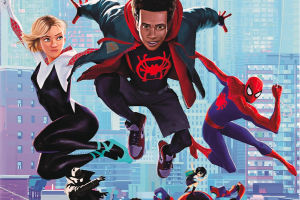
Spider-Man: No Way Home is an ambitious superhero film that combines multiverse storytelling with personal drama, humor, and large-scale action.
The story follows Peter Parker after an attempt to change his circumstances creates an unexpected connection between different realities.
What begins as a seemingly simple solution develops into a far more complex challenge, forcing Peter to confront the consequences of his decisions and reconsider what it means to be a hero.
Story and Screenplay
The screenplay's greatest strength is its ability to give an expansive concept a clear emotional foundation. Although the multiverse creates opportunities for extraordinary encounters, the narrative remains centered on Peter's journey.
The plot develops through a clear chain of decisions and consequences, giving the story a steady progression. Rather than presenting its larger concepts simply as spectacle, the screenplay connects them to Peter's personal circumstances. This approach allows the film to maintain its scale while preserving a strong narrative focus.
Character Development
Peter's development provides the emotional foundation of the film. As circumstances become increasingly complicated, he must move beyond immediate solutions and consider the wider effects of his actions.
His relationships also contribute significantly to his progression. Trust, friendship, guidance, and sacrifice influence his decisions and reveal different aspects of his personality. The presence of alternate versions of familiar characters adds another dimension to the story, allowing the film to explore different perspectives on responsibility and heroism.
Action and Visual Effects
The action sequences are varied and closely connected to the abilities of the characters. Different environments, powers, and styles of movement create distinctive confrontations while allowing Peter's agility and creativity to remain important.
The visual effects establish the scale of the multiverse through changing environments, extraordinary abilities, and imaginative sequences. The most effective moments combine visual design with choreography and storytelling, ensuring that the spectacle contributes to the cinematic experience.
Humor and Emotional Storytelling
Humor provides an effective contrast to the film's more serious moments. Lighthearted interactions create natural pauses between dramatic developments and help maintain an accessible tone.
The emotional storytelling gives the narrative greater depth. Personal relationships and difficult decisions allow important events to carry lasting significance, while quieter scenes provide room for the characters to respond to changing circumstances.
Multiverse Concept
The multiverse is central to the film's identity and provides a framework for exploring different interpretations of the same heroic legacy. It allows familiar characters and ideas to enter the story while giving them a new context.
More importantly, the concept supports Peter's development. His encounters with different perspectives encourage him to reconsider his understanding of responsibility and the kind of hero he wants to become. This gives the multiverse a meaningful role within the narrative rather than treating it solely as a visual device.
Cinematic Presentation
The film creates a strong contrast between expansive action sequences and more intimate character moments. Large environments and elaborate visual effects establish the scope of the story, while quieter scenes provide space for dialogue and emotional development.
This contrast also supports the pacing. Fast-moving sequences maintain momentum, while slower moments allow important decisions and relationships to receive appropriate attention. The result is a varied cinematic experience that balances spectacle with character-focused storytelling.
Overall Entertainment Value
The film's appeal comes from the way its different elements complement one another. Action creates excitement, humor adds variety, visual effects establish scale, and character development gives the story emotional purpose.
Despite its ambitious premise, the narrative keeps Peter at its center. This focus gives the larger events a clear direction and allows the themes of responsibility, identity, friendship, and personal growth to develop naturally.
Final Verdict
Spider-Man: No Way Home is a polished superhero film that combines ambitious storytelling with a focused character journey. Its strongest qualities include its screenplay, character development, action design, visual presentation, emotional balance, and thoughtful use of the multiverse.
The film's greatest strength is its ability to make an expansive story feel personal. By connecting extraordinary events to Peter's decisions and development, it gives the larger spectacle a clear narrative purpose. Overall, it is an engaging, visually impressive, and emotionally resonant superhero film that combines cinematic excitement with a compelling character-driven story.