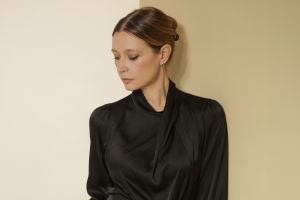
Creating polished everyday outfits does not require a large wardrobe or complicated combinations.
A thoughtful selection of versatile pieces can give you plenty of options while keeping your daily style comfortable and effortless.
The key is to consider color, proportion, layering, texture, and versatility. These elements can help simple clothing look coordinated and intentional.
Build Around Versatile Pieces
Start with clothing that works across different outfits. Trousers, straight-leg jeans, shirts, knit tops, skirts, blazers, and lightweight jackets can form a practical foundation for everyday dressing.
Neutral shades such as beige, white, black, gray, navy, and brown are easy to combine. Add a few distinctive colors or patterns when you want to give an outfit more personality.
Create a Coordinated Color Palette
Using a limited color palette can make an outfit feel more cohesive. Combining two or three complementary shades is often enough to create a balanced appearance.
You can also repeat one color in different parts of an outfit. Matching a detail in your shoes, bag, belt, or another accessory can visually connect the overall look.
Balance Different Silhouettes
The relationship between fitted, relaxed, structured, and flowing garments can shape the appearance of an outfit.
For example, wide-leg trousers can pair naturally with a streamlined top, while a relaxed shirt can work with straight-leg trousers. A structured blazer can introduce definition when the rest of the outfit has a softer shape.
Rather than following a strict formula, consider how the individual pieces work together as a complete outfit.
Layer With Purpose
Layers can add flexibility and change the character of an outfit. A cardigan, blazer, overshirt, or lightweight jacket can be added when the weather changes or when you want another visual element.
Varying the lengths of your layers can also create more definition. A shorter jacket can emphasize the waist area, while a longer outer layer can create a more elongated appearance.
Add Simple Accessories
Accessories provide an easy way to personalize an outfit. A watch, belt, handbag, scarf, or pair of earrings can complement the clothing without overwhelming it.
Choose pieces that suit the colors, proportions, and setting of your outfit. A small number of well-coordinated accessories can be more effective than adding too many at once.
Combine Different Textures
Texture can give an outfit depth while allowing the color palette to remain simple.
Try combining materials with different visual qualities, such as a smooth top with knitwear, structured trousers, or a soft outer layer. This creates contrast and interest without relying on complicated patterns.
Rework Pieces You Already Own
Before buying new clothing, look at how many combinations you can create with pieces already in your wardrobe.
A blazer can be styled with trousers, jeans, or a simple dress. A shirt can be tucked into trousers, worn open over a top, or layered beneath a jacket.
Finding several ways to wear the same piece makes your wardrobe more flexible and simplifies everyday outfit planning.
Prioritize Comfort and Fit
Good everyday styling should work with your routine. Choose clothing that fits comfortably, allows natural movement, and suits the weather and setting.
Pay attention to fabric, fit, length, and practicality. When these details work well together, an outfit can feel polished without becoming difficult to wear.
Develop Your Everyday Style
Personal style becomes easier to define when you understand which colors, silhouettes, textures, and clothing combinations work well for you.
Build outfits around versatile pieces, coordinate your colors, vary proportions, and add layers or accessories where they serve a purpose. With a considered approach, everyday clothing can become a reliable wardrobe of comfortable, polished looks.