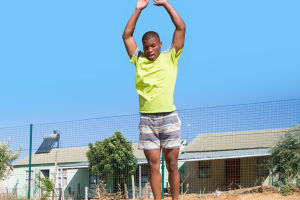
A low wall might look like the end of a path. In parkour, it can be part of the route. The discipline is about moving through an environment by getting over, around, or across obstacles. The aim is to move efficiently, not to make every move look spectacular.
What makes parkour distinctive is that the setting helps shape the activity. The route isn't marked out in advance, and an obstacle doesn't come with a prescribed move. That leaves room for individual choices about where to go and how to get there.
The Freedom to Move
Unlike sports played on a marked field or court, parkour can adapt to the space at hand. Walls, rails, stairs, and benches give practitioners, often called traceurs, different features to work with. A place they pass every day can look different once they start noticing how its features connect.
The space doesn't have to be large or elaborate. A short route might use a low wall and the open ground beside it. In another setting, a set of stairs might shape the route simply because it offers a different approach to the same level.
Creativity in Motion
The challenge isn't just to clear an obstacle. It's to choose a movement that makes sense for the route. A jump, a climb, and a vault all solve different problems. The best choice depends on where the practitioner is coming from and where they need to be next.
A rail might look like the obvious feature to use, but going around it may leave someone better placed for the next move. This is where creativity and efficiency meet: finding a less obvious route can make the whole sequence easier to follow.
Physical Skill and Conditioning
Parkour calls for strength, balance, coordination, and endurance. A jump takes more than power: the takeoff and landing also need control. A vault, where the hands help guide the body over an obstacle, depends on timing as well as strength. Linking movements adds the challenge of keeping them smooth.
The Philosophy Behind Parkour
Progress in parkour doesn't have to mean clearing a higher wall or finishing a route faster. It can mean repeating a familiar sequence until the transitions feel more deliberate. Knowing when to leave a move for another day is also part of judging what is within reach.
Community and Culture
Practitioners often share techniques and encouragement, both online and in person. When people work on the same route, they can see how differently others handle the same obstacle. That gives them something specific to discuss, whether it's where to start a movement or why one transition feels awkward.
Parkour on Screen
Parkour-inspired scenes in films and video games can turn a familiar-looking space into a route a character takes at speed. A viewer can follow the movement from one feature to the next even without knowing the name of a jump or vault. On screen, the appeal is often how quickly the route becomes clear.
Safety and Training
Training can start in a controlled environment before moving to a shared outdoor space. Instead of trying a whole sequence at once, practitioners can work on its movements separately and link them when they can do each one with control.
In a shared space, choosing a route also means paying attention to who else is using it. Leave walkways clear, respect signs and access restrictions, and skip any feature whose condition you can't judge. The route can always change to suit the space.
If you're curious about trying parkour, look for a beginner session at a local club or training facility. Ask whether you can watch a class first to see how the instructor introduces the movements.